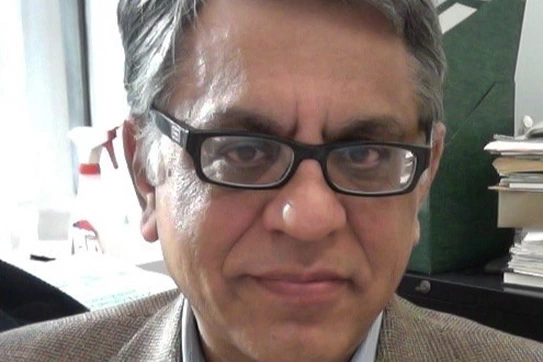
How should Samarth Kulkarni, CEO of CRISPR Therapeutics, guide the company at a time when its path-breaking gene-editing treatment for two rare diseases struggles commercially?
How should Samarth Kulkarni, CEO of CRISPR Therapeutics, guide the company at a time when its path-breaking gene-editing treatment for two rare diseases struggles commercially?
In late 2023, CRISPR Therapeutics became the first company to develop and gain regulatory approval for a medical treatment using CRISPR, the revolutionary gene editing technology. CASGEVY treated severe sickle cell disease and β-thalassemia, rare genetic disorders that previously had inadequate treatments, leaving millions with lifelong suffering, shortened lives, and in many cases childhood death. Although CASGEVY promised to be a one-time cure, commercial adoption proved challenging. By June 2025—eighteen months after launch—115 patients worldwide had initiated treatment and just 29 completed therapy.
Adoption barriers included: a complex year-long treatment process, limited specialized treatment centers, a $2.2 million list price, and mistrust of medical systems among patients. CRISPR Therapeutics burned through over $170 million per quarter while bearing 40% of commercialization costs under its Vertex Pharmaceuticals partnership.
CEO Samarth Kulkarni faced critical strategic decisions about how to accelerate adoption in approved markets, whether to expand to Africa and Asia where these diseases are most prevalent, which pipeline therapies to prioritize for cancer, diabetes, and cardiovascular disease, and whether to build internal capabilities for manufacturing and commercialization or continue relying on partners. The case challenges students to analyze how companies can bridge the gap between scientific achievement and market success and develop approaches for commercializing breakthrough technologies.
About the Author(s)